


Need weekend availability? Just ask — we’ll come to your home or meet you wherever works best.
Most people assume probate is something that happens to other families, right up until they open an account statement or deed and wonder, What assets are subject to probate in California, and which ones are safe from the court? The difference isn’t always clear. Some assets move freely to heirs; others are frozen until a judge authorizes each step. That uncertainty pushes families to seek help.
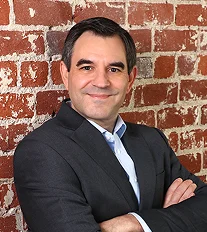
Fortunately, Sacramento estate planning attorney Tony Franceschi can answer your most complex questions. He helps families find structure, reduce surprises, and choose tools that keep their plans intact. His estate planning practice at Capital City Wills & Trusts, PC, offers clear guidance, same-day or 24-hour document support when needed, and home, hospital, or nursing facility visits for clients facing mobility or health challenges. With Tony’s help, families replace guesswork with confidence.
Identifying assets that require probate depends on ownership, not complexity. Under California law, the court oversees assets titled solely in the decedent’s name with no beneficiary, joint owner, or trust.
Some common examples of probate assets include:
Each of these assets requires legal authority for transfer, which means the probate court becomes involved, and an executor may need court-issued letters testamentary. Capital City Wills & Trusts guides executors and families through this process, helping them evaluate when formal probate is required, when simplified procedures apply, and how to manage responsibilities without fear of error.
Not every asset enters the probate court system; some can bypass it entirely. Assets that transfer through legal operation, contract, or specific structural arrangements bypass the need for court involvement.
These can include:
We review deeds, designations, and account structures to help ensure they match the client’s goals and prevent accidental probate.
The answer is straightforward: a beneficiary designation overrides a will and eliminates the need for probate, provided it remains valid.
However, designations can create problems when a:
These mistakes pull otherwise non-probate assets back into the court system or create legal disputes among heirs. Our team examines each designation to ensure it aligns with your broader plan, not just your paperwork.

Families often hear about simplified procedures and assume they eliminate probate across the board. California’s small-estate affidavit process applies only when the total value of qualifying assets falls below the current statutory threshold (which adjusts periodically). Some property, such as real estate, requires additional procedures. Thus, when clients ask about what assets go through probate, the answer depends on the asset’s value, ownership, and whether it has beneficiaries or is held in trust.
When clients ask whether creating a will changes what assets go through probate, they expect the will to override the system. But a will does not avoid probate; it directs the court. If an asset remains in the decedent’s name, the court must validate the will and authorize its transfer.
Families seeking smoother and faster administration often opt to pair a will with a revocable living trust. A trust holds assets during a person’s lifetime and distributes them after their death, often without court involvement. A will applies only to property left outside the trust.
Many clients want simple, tangible illustrations, so Tony often walks families through scenarios like the following:
These examples help families visualize which categories need attention and how a proactive estate plan can shift responsibility away from the court and toward people they trust. Tony examines these details closely and helps clients retitle, reorganize, or restructure assets so they align with the family’s goals.
Assets end up in probate for straightforward reasons: they’re titled only in the decedent’s name, they lack beneficiary designations, or someone failed to transfer them into a trust. Sacramento attorney Tony Franceschi focuses on finding and resolving those problem points. He reviews deeds, account registrations, and estate documents line by line to determine exactly what would go through probate under current law and what needs to change to keep the estate out of court.
Tony is a State Bar Certified Specialist in Estate Planning, Trust, and Probate Law, and he builds plans that function when families need them in real time. He also provides house calls, hospital visits, and same-day or 24-hour document preparation when health or timing demands immediate action. Contact Tony at Capital City Wills & Trusts, PC to create an estate plan that avoids court involvement and transfers property as you intend.
Assets must go through probate when they remain titled solely in the decedent’s name and lack a beneficiary, joint owner, or trust. Common examples include individually owned real estate, bank accounts without pay-on-death designations, and personal property not assigned through other legal mechanisms.
Assets avoid probate when they transfer by operation of law or contract. These include assets held in a revocable living trust, joint tenancy property, retirement accounts with beneficiaries, life insurance proceeds, and pay-on-death or transfer-on-death accounts.
A valid beneficiary designation removes an asset from probate, even if a will says otherwise. Problems arise when designations are outdated, incomplete, or conflict with the overall estate plan, which can lead to court involvement or disputes among heirs.
No. California’s small estate procedures apply only to qualifying assets with a value below the statutory threshold and exclude certain property categories. Real estate and higher-value assets often require separate petitions or full probate, depending on title and ownership structure.
A will does not prevent probate. It only directs the court on how to distribute probate assets. Assets that remain outside a trust or lack beneficiary designations still require court supervision, even when a valid will exists.
I could not recommend Tony enough. Start to finish with the Trust process, and for the family afterwards, you could not have a better attorney in your corner. Tony is the only attorney I recommend to my family and friends. He truly cares about his clients like family!
Anthony “Tony” Franceschi supported my family and me through a complicated, tricky, and deeply sensitive trust matter. From start to finish, we faced a number of unexpected challenges, yet Tony remained fully engaged, steady, and supportive every step of the way. His professionalism was matched only by his compassion. Tony took the time to understand…
I wanted to share my appreciation for Tony Franceschi. I’ve worked with Tony on several different issues and changes over the years. I have to tell you there is no one more honest, reasonable and dedicated to your case than Tony. He Communicates and Updates you as he’s working on your case, which is rare…
